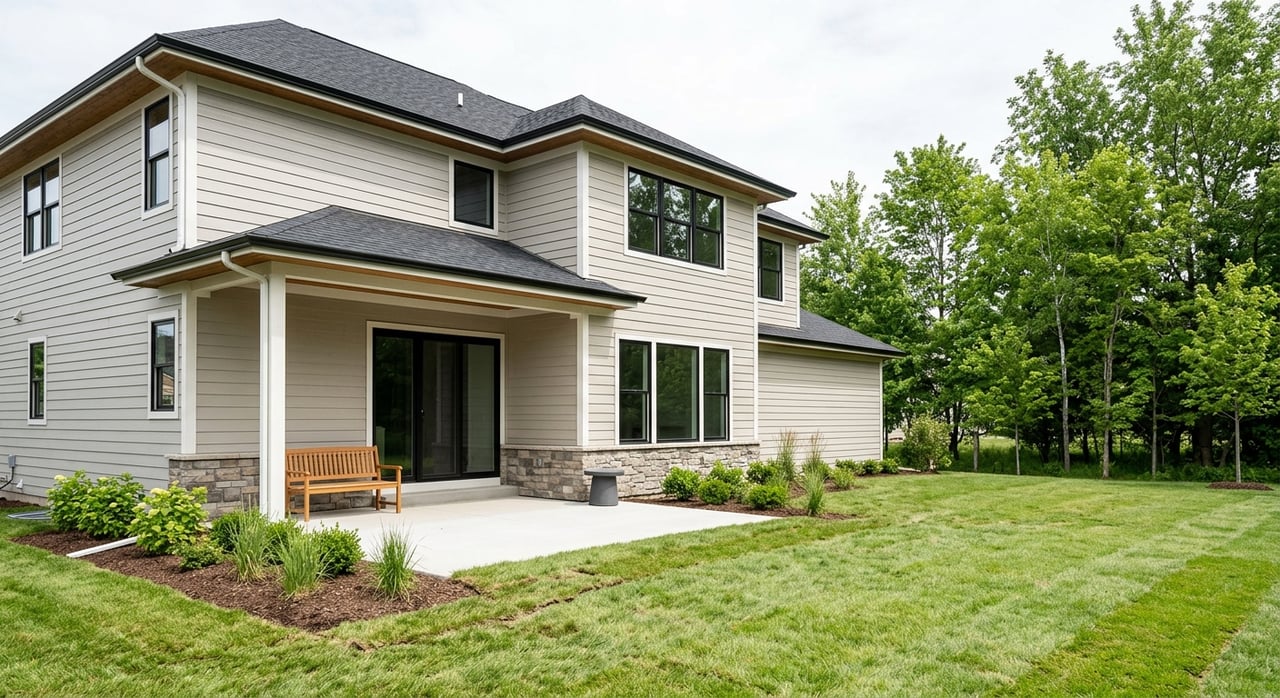
Thinking about buying land or building a new home in Elko New Market? It can be an exciting way to get the layout, finishes, and lot you want, but it also comes with extra moving parts that many buyers do not see at first. If you are comparing a builder community, a custom home, or raw land, understanding local approvals, utilities, permits, and financing can help you avoid delays and costly surprises. Let’s dive in.
Why Elko New Market Draws Buyers
Elko New Market sits along I-35 in the southern Twin Cities area and is known for offering a small-town feel with access to metro amenities, according to the city’s community overview. That balance is a big reason buyers look here when they want more space while staying connected to the broader south metro.
The area is also growing. Metro Council data cited by the city show population growth from 4,846 in 2020 to an estimated 5,250 in 2024, and longer-range projections suggest continued growth over time, as noted in the city’s schools and planning information. For you as a buyer, growth can shape everything from housing choices to future resale questions.
The city also notes that housing options include a range of lot sizes and home types, including townhome units. That means you may find very different purchase paths depending on whether you want a smaller maintenance-friendly lot, a builder-package home, or land for a more custom project.
Start With the Parcel Location
One of the first questions to answer is whether the property is inside Elko New Market city limits or in a Scott County township. This matters because permits, inspections, utilities, and approval paths can differ depending on jurisdiction.
Scott County explains that its building inspections serve townships only, and some properties with a city mailing address may still fall under township jurisdiction. The county specifically recommends verifying location through GIS rather than assuming based on the mailing address, as explained on its ePermits page.
If you are buying before the home is built, this is not a small detail. It affects who reviews plans, what permit path applies, and how your timeline may unfold.
Compare Land and Builder Lots
Not every lot is at the same stage of readiness. A lot in a builder community may already be platted and tied into a more predictable development process, while raw land or a lot split can require more approvals before construction begins.
Elko New Market’s planning department maintains a comprehensive plan, zoning map, land-use maps, and development review information. The city also states that single-family homes are exempt from site plan review, but land-use applications can still involve subdivisions, rezonings, variances, conditional use permits, planned unit developments, annexation, and major grading permits.
For raw land or lot splits, the city requires proof of ownership or a purchase agreement, owner signatures, fees, and other submittals before an application is complete. The city says zoning requests are typically acted on within 60 to 120 days, while subdivision requests are typically handled within 120 days, according to the non-administrative land-use application.
That timeline is one reason many buyers choose an already-developed lot if speed matters. If you are leaning toward raw land, ask early whether the parcel is already platted, whether a split is needed, and whether any added approvals could delay closing or construction.
Check Utilities Before You Commit
Utility access is one of the biggest differences between a city lot and a more rural parcel. Before you buy, confirm whether water and sewer are available or whether the home will need septic and possibly a well.
For homes served by the city, Elko New Market states that residents and businesses are billed monthly for water, sanitary sewer, storm water, and streetlight service, as shown in the new resident information. That means your ownership budget should include more than your mortgage, taxes, and insurance.
If the parcel is outside city sewer service, septic planning becomes much more important. Scott County says septic permits and compliance inspections may be required when new lots are developed or when a property’s use changes, according to the county’s septic systems information. That can add cost, design work, and timing to a land purchase.
Ask About Schools and Boundaries
If school boundaries matter to your household or future resale plans, verify them before you write an offer. The city states that parts of Elko New Market are served by Lakeville Area Schools and parts by New Prague Public Schools, according to the city overview.
Because service areas can vary by property, do not assume the district based on a subdivision name or general location. A quick confirmation up front can help you compare similar homes or lots more clearly.
Understand the Approval Timeline
Buying new construction often feels simpler when you focus only on finishes and floor plans. In reality, timing often depends on what has to happen before excavation can even begin.
Scott County notes that incomplete or incorrect documents can cause delays and recommends applying well in advance through its permit guidance. Depending on the project, submittals may include a survey or site plan, erosion and sediment control plans, low-floor elevations, grading limits, and stabilization details.
If land development is involved in Elko New Market, the city says an irrevocable letter of credit is due before construction can begin, and escrows may be used to cover consultant and professional review costs, according to the city’s land-use application packet. That is another reason raw land projects usually involve more complexity than a home in an established builder neighborhood.
Know the Permit and Inspection Path
Permits are not just a builder issue. They also affect your schedule, financing, and future resale documentation.
Elko New Market now uses an online building permit portal for building permits, including applications for building, plumbing/HVAC, and fence permits, plus certain over-the-counter permits. For buyers, that creates a digital permit trail that can help track progress and inspection status during construction.
Scott County also notes that separate permits are required for plumbing, mechanical, and sewer installations, and some work such as solar may involve separate electrical permitting through the Minnesota Department of Labor and Industry Electrical Division. In other words, new construction can involve more than one permit track, depending on where the property is located and what features are included.
Vet the Builder Carefully
Choosing the right builder matters just as much as choosing the right lot. Minnesota’s Attorney General says residential building contractors, remodelers, and roofers who contract to build or remodel a house must be licensed, according to its home building guidance.
That same guidance recommends getting at least three written bids, avoiding oral estimates, and checking that the contractor includes a license number and carries required liability insurance. The Minnesota Department of Labor and Industry also provides license-check and complaint resources for homeowners, which can be helpful as you compare options.
A few questions to ask every builder include:
- What is included in the base price?
- What site costs are estimated versus fixed?
- What triggers a change order?
- What counts as substantial completion?
- How are delays handled?
- What permits are the builder obtaining versus the buyer?
Match Financing to the Build Plan
Construction financing works differently than a standard resale purchase, so your lender should be involved early. This is especially important if you are buying the lot first, using construction draws, or deciding between a custom build and a spec home.
Fannie Mae explains that new construction may be financed through single-closing or two-closing construction-to-permanent transactions in its construction financing overview. The right structure depends on your lender, your builder, and how the lot purchase fits into the full project.
The CFPB’s home loan toolkit is also referenced in the research as a reminder to use the Loan Estimate to compare terms and understand closing costs. For you, the practical takeaway is simple: bring your lender into the conversation before you commit to the lot, builder, and timeline.
Read the Warranty and Contract Terms
A new home can offer peace of mind, but only if you understand what the contract actually says. Minnesota’s Attorney General notes that statutory warranties for new homes range from one to ten years for defects tied to state building code noncompliance, as outlined in its consumer brochure.
That makes the contract details especially important. Pay close attention to warranty language, change-order terms, allowance categories, and how the builder defines completion before closing.
If a feature matters to you, make sure it is written clearly into the agreement. Verbal expectations are easy to misunderstand once construction is underway.
Think About Future Resale Early
Even if you plan to stay for years, resale questions should still shape your decision. In Elko New Market, some of the biggest factors are utility access, school boundary, lot location, and what could happen on nearby land over time.
Because the city maintains current zoning and land-use maps through its planning and zoning resources, you can review whether nearby parcels are likely to remain residential or may shift to other uses in the future. That does not predict exactly what will happen, but it does give you a more informed view of the surrounding area.
Growth projections also matter. The Metropolitan Council system statement cited by the city projects Elko New Market growth to 6,200 by 2030, 8,200 by 2040, and 10,500 by 2050, according to the city information page. These are forecasts, not guarantees, but they can help explain why future land use is worth reviewing before you buy.
A Smart Buyer Checklist
If you are considering land or new construction in Elko New Market, here is a practical list to bring into your search:
- Verify whether the parcel is inside city limits or in a township
- Confirm whether the lot is already platted
- Ask whether subdivision or zoning approvals are still needed
- Check whether water and sewer are available
- If not, ask about septic requirements and timing
- Verify the school district serving the property
- Review nearby zoning and future land-use maps
- Ask the builder for written pricing and change-order terms
- Confirm licensing, insurance, and warranty details
- Talk with your lender before finalizing the lot or build plan
Buying land or new construction can be a great move when you go in with clear expectations. If you want experienced guidance as you compare lots, builders, and resale implications in the south metro, connect with Eric Frank for practical, local insight and a steady hand through the process.
FAQs
Is buying land in Elko New Market different from buying a lot in a builder neighborhood?
- Yes. Raw land or a lot split may require subdivision, zoning, grading, or other approvals, while a builder-community lot may already be platted and further along in the development process.
Does a city mailing address in Elko New Market always mean the property is in city jurisdiction?
- No. Scott County says some properties with a city address may still fall within township jurisdiction, so the location should be verified with GIS rather than assumed from the mailing address.
What utilities should buyers confirm before building in Elko New Market?
- You should confirm whether city water and sewer are available or whether the property will require septic and possibly a well, since that can affect budget, approvals, and timeline.
What should buyers ask a builder before signing a new construction contract in Elko New Market?
- Ask what is included in the price, what costs are estimated versus fixed, what triggers change orders, how completion is defined, what warranty applies, and who is responsible for permits.
What permit steps matter most for a new home near Elko New Market?
- Buyers should expect building permits plus separate permit paths for some systems or features, and incomplete submittals can delay approval before excavation, framing, and final occupancy.
Why do future land-use maps matter when buying near Elko New Market?
- They can help you understand whether nearby parcels are likely to remain residential or may shift to other uses over time, which can be relevant when you think about long-term enjoyment and resale.
