Thinking about a townhome or condo in Apple Valley but not sure how association living really works? You are not alone. Many buyers want less yard work and more predictability in monthly costs, especially with Minnesota winters. In this guide, you will learn the key differences between condos and townhomes, what HOA dues usually cover, how to read association documents, and the protections Minnesota law gives you. Let’s dive in.
Condo vs. townhome: what to expect
Condos in Apple Valley are typically one-level units in stacked or low-rise buildings. You own the interior space of your unit, and the association handles the building envelope and common areas. Corridors and elevators may be shared, and you are usually responsible for interior finishes only.
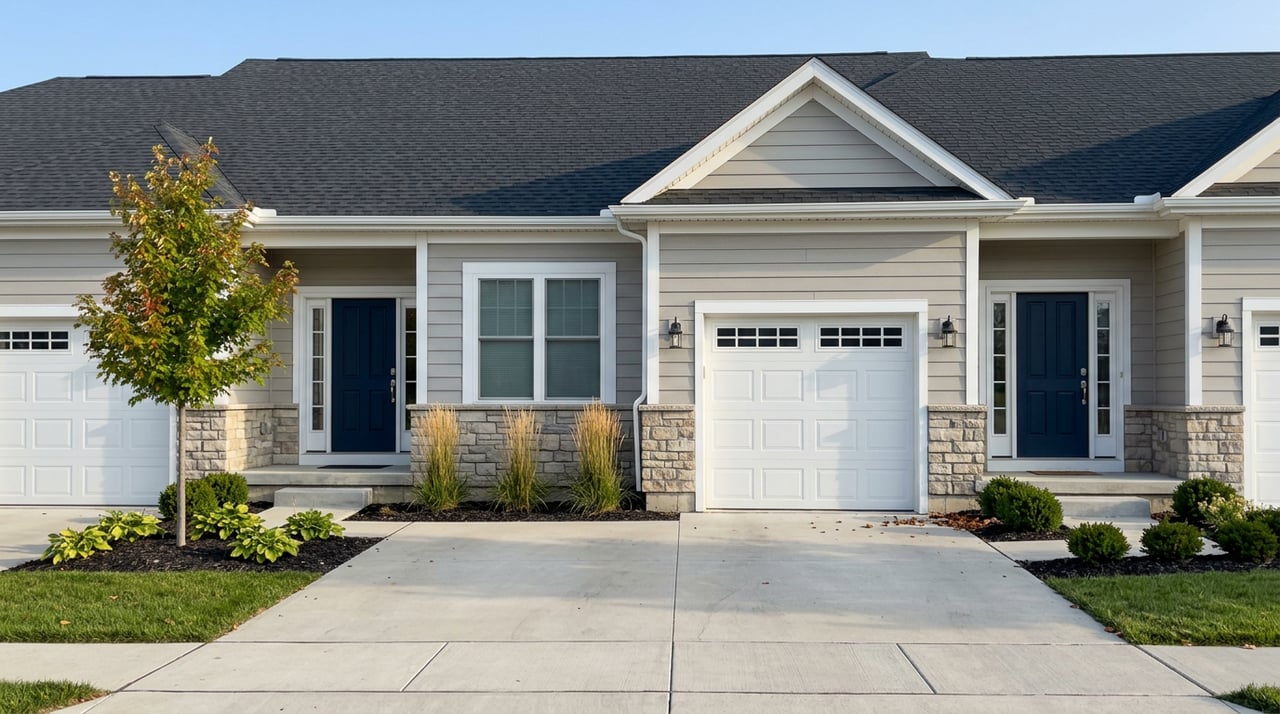
Townhomes are multi-level attached homes with a private entrance. Some have two or more stories, while others offer single-level layouts or carriage homes above garages. Exterior responsibilities vary by community. In some, the association maintains roofs and siding. In others, owners take on more of the exterior upkeep. Always confirm responsibilities in the declaration and bylaws before you buy.
Many Apple Valley communities were built in the 1980s through the 2000s. That age range affects maintenance planning and reserves. Older roofs, siding, and paving may be due for replacement within normal life cycles. A solid reserve plan matters, because it helps keep your future costs more predictable.
Typical HOA dues and what they cover
In Apple Valley listings reviewed, monthly association fees commonly fall around the $250 to $400 range, especially in communities where exterior maintenance, snow removal, landscaping, and the master insurance policy are included. Fees vary by age, services, and amenities. Communities with pools, private roads, or large common facilities may run higher. Dues can change annually based on the budget and reserve needs.
What HOAs often cover in Apple Valley:
- Exterior maintenance and building-shell repairs
- Roofing and exterior painting
- Landscaping and lawn care
- Snow removal for private drives and walkways
- Master insurance for common elements and building shell
- Trash and recycling in some communities
- Parking-area and private-road maintenance
- Professional management fees
Coverage is community-specific. Review the association’s governing documents and budget to see exactly what is included.
How HOA dues affect your monthly budget
Think about your total monthly housing cost as four parts: mortgage payment, HOA dues, property taxes, and condo or townhome insurance (HO-6 or similar). Here is a simple illustration you can adapt as you shop:
- Purchase price example: $325,000, 20% down, 30-year fixed mortgage
- HOA dues: $325 per month (illustration only)
- Property taxes: about 1.0% of value per year in this example, which is roughly $270 per month on $325,000. Use Dakota County’s resources to check current rates for a specific property using the county’s tax pages at the Dakota County property tax site.
- Condo/townhome insurance: often in the low hundreds per year for an HO-6 policy, depending on coverage and deductibles. For a sense of costs in Minnesota, see these examples on condo insurance pricing, then confirm with your insurer.
Your mortgage principal and interest depend entirely on the interest rate and loan terms you select. Ask your lender for an updated payment estimate and be sure to include HOA dues and insurance so you see your full monthly picture.
Your rights under Minnesota law
Minnesota’s Common Interest Ownership Act (MCIOA, Chapter 515B) sets rules for most condo and townhome associations formed after June 1, 1994. It covers disclosures, owner rights, budgets, reserves, and more. You can review the law directly in the MCIOA statutes.
Two key protections to know:
- Sellers must provide the governing documents, association budget, most recent financials, and a resale disclosure certificate before the sale. If you do not receive these documents at least 10 days before you sign the purchase agreement, you have a 10-day right to cancel once you receive them. This is written into MCIOA to protect buyers.
- Associations must plan for replacement reserves and reevaluate them at least every three years. See the reserve requirements in Section 515B.3-1141.
These rules help you evaluate the association’s health and decide with confidence.
What to review in the resale packet
Ask for the resale disclosure certificate and the full set of governing documents: declaration, bylaws, articles, and rules. Also request the current budget, most recent financial statements, and the status of the association’s bank accounts. If the association has a recent reserve study or a written reserve schedule, read it closely. If not, note the risk and ask how the board meets the three-year reserve reevaluation requirement under MCIOA.
Review the last 12 to 24 months of meeting minutes to spot patterns. Repeated maintenance deferrals, ongoing disputes, or talk of costly projects are red flags. Ask about any pending or recent litigation, since it can affect insurance costs and the potential for special assessments.
Insurance basics for condos and townhomes
Associations usually carry a master policy that covers common elements and sometimes the building shell. Your personal policy fills in the rest. The master policy may be “bare walls,” “single entity,” or “all-in.” The type dictates what interior finishes and fixtures you need to insure. For a helpful overview of how master policies and unit-owner policies work together in Minnesota, see this HOA insurance primer.
When you review insurance documents, look at the master policy deductibles. Some associations can assess deductibles to owners in certain claim events. Ask how that works so you can set your HO-6 coverage appropriately.
Special assessments: how to gauge the risk
Special assessments occur when unexpected costs or large projects outpace the reserves. Older communities with limited reserves, major storm damage, or big-ticket replacements can trigger assessments. To gauge the risk, focus on three things:
- Reserves: Does the budget fund reserves each year, and has the board reevaluated reserve adequacy within the last three years as required by Section 515B.3-1141?
- Capital plans: Are roofs, siding, paving, or mechanical systems nearing end of life, and is there a plan to pay for them?
- Minutes and disclosures: Do recent minutes or the resale certificate mention upcoming projects, insurance claims, or lawsuits?
A well-run association will explain its plan for big projects and show how reserves and dues support that plan.
Financing and project approval
If you are financing a condo, your lender may review the entire project to confirm it meets conventional lending standards. Owner-occupancy rates, insurance coverage, litigation, and delinquency levels can affect eligibility for certain loans. Fannie Mae’s project standards overview explains how lenders evaluate condo projects. If a project does not meet these standards, buyers may need different financing or larger down payments. Tell your lender early which association you are targeting so they can review it in parallel with your offer.
Winter reality: why dues cover snow, roofs, and pavement
Minnesota’s freeze-thaw cycle and snow have real budget impacts. Snow removal and de-icing increase winter operating costs, and harsh conditions wear down roofing and paving faster. The Twin Cities’ normal annual snowfall is typically more than 50 inches depending on the normal period. You can view snowfall normals from the Minnesota DNR. Healthy reserves and realistic annual budgets help keep services consistent without surprise spikes.
Tips for first-time buyers, downsizers, and investors
First-time buyers
- Build an all-in monthly budget that includes mortgage, HOA dues, taxes, and insurance.
- Confirm what HOA dues cover and what they do not. For example, check whether trash, water, or internet are included.
- Order the resale packet early and use your 10-day cancellation right if the packet arrives late or reveals unexpected issues.
Downsizers
- Look for single-level layouts or elevator access if stairs are a concern.
- Ask how the HOA handles accessibility modifications, patio changes, and exterior updates.
- Consider quality-of-life services like lawn care and snow removal as part of your value equation.
Investors
- Verify rental caps and short-term rental rules in the declaration and rules.
- Ask for the current owner-occupancy rate and delinquency levels. These numbers can affect loan options and resale liquidity.
- Confirm the association’s insurance coverage and deductibles, which can influence your operating costs.
How to shop smart in Apple Valley
- Get the documents early. Make delivery of the resale packet a clear contingency in your offer. If the seller does not deliver the packet at least 10 days before you sign, remember your 10-day right to cancel after you receive it under the MCIOA statutes.
- Read the budget and reserves with care. Look for consistent reserve funding and a plan to tackle major replacements.
- Check meeting minutes for the last 12 to 24 months. You will learn a lot about projects, rules enforcement, and neighbor concerns.
- Involve your lender early. Ask them to run a condo project review if needed so financing does not stall later.
- Use trusted Minnesota resources. The Minnesota Attorney General’s condo and townhouse association guide is a helpful overview of owner rights and dispute resolution. The Department of Commerce’s Common Interest Community page offers education and consumer materials.
If you want a walkable, low-maintenance lifestyle close to South Metro amenities, Apple Valley’s townhomes and condos can be a great fit. With a clear handle on dues, reserves, legal protections, and financing, you can buy with confidence and enjoy the convenience that association living provides.
Ready to explore the best options for your budget and lifestyle in Apple Valley? Reach out to Eric Frank for local guidance, document review support, and a smart plan to compare communities.
FAQs
What is the difference between an Apple Valley condo and a townhome?
- Condos are one-level units in shared buildings where the association maintains the building shell, while townhomes are multi-level attached homes with private entrances and varying exterior responsibilities defined by the community’s documents.
What do Apple Valley HOA dues usually cover for townhomes and condos?
- Common inclusions are exterior maintenance, roofing, landscaping, snow removal, master insurance, trash, and private-road upkeep, though coverage varies by association.
How can I estimate my total monthly cost for a condo or townhome?
- Add your mortgage payment to HOA dues, property taxes using Dakota County’s resources, and an HO-6 or similar insurance premium based on your coverage needs.
What are my legal protections if I buy into an Apple Valley association?
- Under MCIOA, sellers must deliver governing documents and a resale disclosure certificate, and you have a 10-day right to cancel if they arrive less than 10 days before you sign.
How do I check for special assessment risk in a community?
- Review the budget and reserve funding, confirm the three-year reserve reevaluation, and read 12–24 months of meeting minutes for signs of major projects or deferred maintenance.
Will financing be an issue when buying a condo in Apple Valley?
- It can be if the project does not meet conventional standards for occupancy, insurance, litigation, or delinquencies, so have your lender review the condo project early using Fannie Mae’s guidelines.
