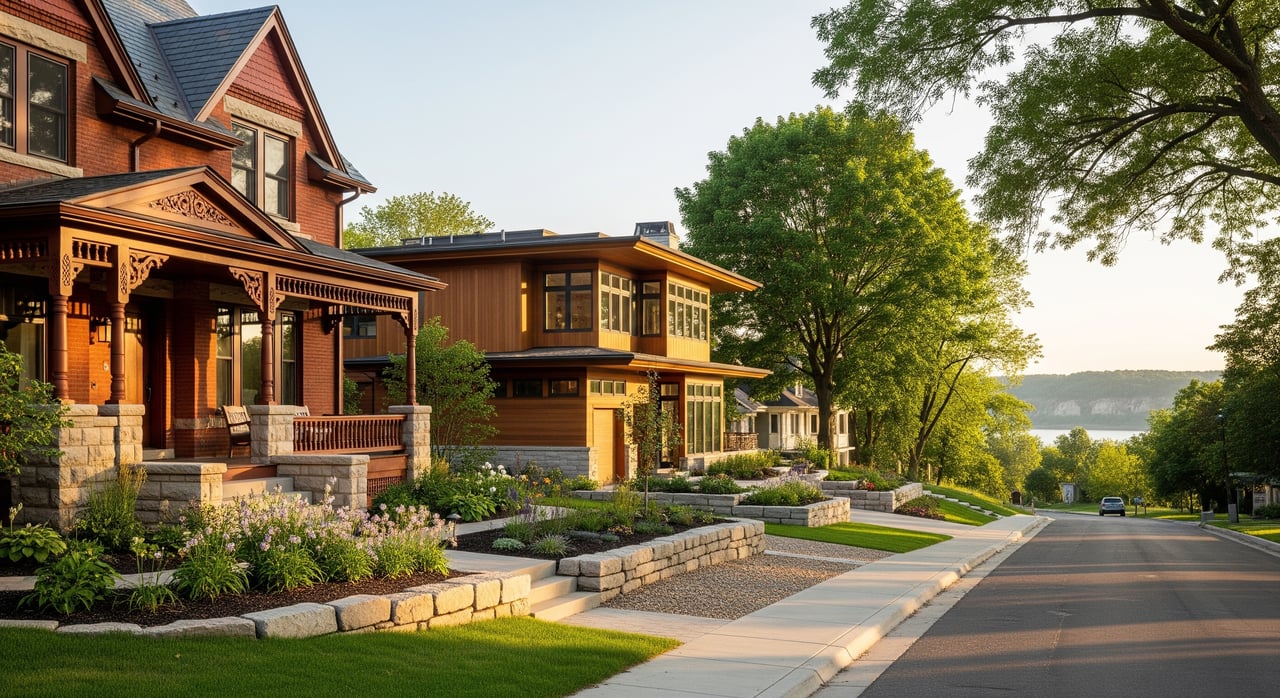
Picture this: you find a home you love online, but when you pull up to the street, the vibe, yard size, and daily routine feel different than you expected. In Northfield, neighborhood feel can change in just a few blocks. If you want walkable mornings near Bridge Square, room to spread out on the edge of town, or quick access to campus events, the right location matters as much as the house.
This guide helps you compare Northfield neighborhood types, the local factors that shape daily life, and a simple step-by-step method to narrow your shortlist. You’ll learn how lot sizes, home styles, commute patterns, floodplain maps, and school boundaries come together so you can buy with confidence. Let’s dive in.
Northfield neighborhood types
Historic core and downtown
Northfield’s historic core centers on Bridge Square and nearby blocks. You’ll see late 19th to early 20th-century homes, including Victorian, Craftsman, and bungalow styles, plus some small multi-family buildings and apartments above storefronts. Lots are generally small, often under a quarter acre, which keeps maintenance manageable.
This area offers the highest walkability in town. Shops, restaurants, banking, city services, and events are close by. If you value character, sidewalk culture, and quick trips on foot, the historic core is a strong fit. Expect more limited yard space and older systems that may require periodic updates.
College-adjacent blocks
Neighborhoods near Carleton College and St. Olaf College mix single-family homes with duplexes, student rentals, and some purpose-built apartments. Lots closer to campus tend to be smaller to medium sized, with larger lots as you move a few blocks out. Many homes here have historic elements as well.
You can walk or bike to campus facilities, dining, and arts events, and downtown is often an easy ride. The rental market has steady demand tied to the academic calendar. If you work at a college, enjoy campus events, or want an investment property, this area is worth exploring. Expect some seasonal turnover and parking pressure during peak times.
Established mid-century neighborhoods
Move into Northfield’s mid-century streets and you’ll find ranches and 1½- to 2-story homes built from the mid-1900s through the 1980s. Many blocks have mature trees and sidewalks. Lot sizes commonly range from about 0.15 to 0.4 acre, offering balance between outdoor space and upkeep.
These neighborhoods are a short drive or bike ride to schools, parks, and neighborhood commercial nodes. If you want a traditional single-family home with an established feel and predictable commute patterns, this is a solid option. You’ll trade some walkability for larger yards and garages compared with downtown.
Newer subdivisions and planned communities
On the southern and western edges, and in other growth pockets, you’ll see homes from the 1990s to today. Floor plans lean modern with open layouts, larger garages, and contemporary finishes. Some areas include townhomes with smaller lots, while single-family parcels can run from roughly 0.2 to 0.75 acre or more. Homeowners associations are more common here.
You’ll often find newer parks, sidewalks, and community ponds or trails. These areas may sit farther from downtown shops but closer to highway access. Choose this option if you prioritize newer systems, energy efficiencies, and planned amenities. Review HOA rules and fees early in your search if that matters to you.
Riverfront and floodplain areas
Properties along the Cannon River corridor can offer scenic views and direct access to recreation. You’ll find a mix of historic homes and newer builds, plus some older cottages converted to year-round residences. Lot shapes vary, and riverfront parcels are often narrower with frontage.
Flood risk is the key consideration here. FEMA floodplain designation can affect insurance costs and building or elevation requirements. Before you buy, check floodplain maps and understand permitting rules. If you value water access and views, factor the ongoing insurance and compliance needs into your budget.
Exurban and rural acreage
Beyond city limits in Northfield Township, Waterford Township, and rural Rice County, you’ll see farmhouses, newer rural homes, hobby farms, and acreage properties. Parcels often run from one acre to dozens of acres. Privacy, room for outbuildings, and hobby farming are common draws.
You’ll likely rely on private wells and septic systems rather than city utilities. Drive times to downtown services are longer, and zoning and tax considerations can differ from in-town properties. If space and separation from neighbors are high on your list, rural acreage may be your best fit.
Key factors that shape your choice
Colleges and seasonal demand
Carleton College and St. Olaf College anchor Northfield’s identity and economy. Near-campus areas see steady rental demand and seasonal turnover. Parking and traffic patterns can change during events. If proximity to campus or investment potential is important to you, include college-adjacent neighborhoods in your search and plan for the academic calendar.
Schools and attendance areas
Northfield Public Schools (ISD 659) serves most in-town neighborhoods. If school attendance zones matter to you, confirm the boundary for each listing and review state report cards. Attendance areas can shift over time. Always verify current boundaries and any planned school projects before making an offer.
Commuting and regional access
Northfield sits south of the Twin Cities, and many residents commute to metro jobs. Depending on destination and traffic, plan for about 45 to 60 minutes one way. State highways, including Minnesota Highway 3, and county routes handle most trips. Public transit is limited compared with metro suburbs, and there is no direct commuter rail to Minneapolis from Northfield. For many buyers, a test commute at your target times is essential.
Flood risk along the Cannon River
Floodplain status is a non-negotiable check for river-adjacent properties. FEMA Flood Insurance Rate Maps and local overlays show where insurance or elevation rules may apply. Budget for flood insurance if required, and understand local permitting for renovations or additions.
Utilities and municipal services
In-town homes generally connect to municipal water and sewer. Rural properties may use private wells and septic systems. Natural gas availability and broadband options vary by parcel. Confirm utility details during your due diligence, especially for new construction or edge-of-town lots.
Zoning and future growth
City comprehensive plans and land-use maps guide where new subdivisions, roads, and schools may go in the future. Many small cities grow toward their southern and western edges, and Northfield is no exception. Check planning department resources for active development applications or rezonings that could affect traffic, noise, or long-term demand near your target blocks.
Property taxes and assessments
Annual property taxes reflect Rice County rates, school levies, and assessed values. Review parcel-specific history early to avoid surprises. If you are comparing homes across city limits or in rural townships, note that tax structures and assessments can differ.
Healthcare and recreation access
Proximity to hospital and clinic services can be a deciding factor for some buyers. Parks and trails, including the Cannon River corridor, the college arboretums, and nearby Nerstrand Big Woods State Park, add strong lifestyle value. If outdoor time is a priority, map trailheads and park access with your shortlist.
Step-by-step: find your best fit
- Prioritize must-haves vs nice-to-haves
- Must-haves: bedrooms and bathrooms, school attendance zone, maximum commute time, lot size, garage capacity.
- Nice-to-haves: walkability to downtown, river access, newer systems, HOA-free living.
- Map commute and service buffers
- Draw 10, 20, and 30-minute rings from your workplace, daycare, and frequent destinations. Include any Twin Cities job sites.
- Focus on neighborhoods that fit your commute window at your actual travel times.
- Filter by housing stock and lot size
- Historic core: character homes, smaller lots, highest walkability.
- College-adjacent: mixed-use blocks, strong rental demand, easy bike access.
- Established mid-century: classic single-family options, moderate yards.
- Newer subdivisions: modern layouts, larger garages, possible HOA amenities.
- Rural acreage: privacy, outbuildings, well and septic considerations.
- Confirm amenities and school boundaries
- Check walking or biking distance to parks, groceries, and downtown if lifestyle is key.
- Verify ISD 659 attendance zones and review state report cards if schools matter.
- Check hard constraints and future changes
- Floodplain status for river-adjacent properties and related insurance costs.
- Utility availability: city water and sewer vs well and septic, plus natural gas and broadband.
- City planning updates for new roads, rezonings, and nearby developments.
- Visit at multiple times
- Daytime: traffic, street parking, pedestrian activity, and noise.
- Evening and weekend: lighting, neighborhood activity, and your trial commute.
- Confirm financial and legal details
- Review Rice County tax history, HOA rules and fees, and typical insurance costs.
- If investing near colleges, check local rules for rental licensing and short-term rentals.
How to compare similar homes
When two homes look close on paper, use these tie-breakers:
- Daily rhythm: Which location fits your real routine for school, work, and errands without stress?
- Ongoing costs: Compare taxes, HOA dues, utility type, and potential flood insurance.
- Time tradeoffs: Is walkability or a larger yard more valuable in your day-to-day?
- Flexibility: Will zoning or HOA rules limit future projects, such as a deck or accessory structure?
- Resale outlook: How does neighborhood demand align with broader growth patterns and planned development?
Tips for buyers new to Northfield
- Start broad, then narrow. Tour one example in each neighborhood type. You will quickly see what feels right.
- Think seasonally. Campus schedules, river conditions, and snow season all affect parking, traffic, and outdoor use.
- Plan for the long term. If you expect to add a bedroom, build a garage, or finish a basement, check permitting and utility constraints early.
- Keep walkability realistic. Outside the historic core and campus areas, most daily trips happen by car. Balance walkable perks with other priorities.
Ready to explore Northfield?
Whether you want a historic bungalow near Bridge Square, a newer build with a three-car garage, or acreage that fits your hobbies, the right neighborhood will make daily life easier and more enjoyable. A local advisor can help you compare tradeoffs, check floodplain status, confirm utilities, and keep you focused on the homes that meet your goals. If you are weighing multiple options, a quick call and a targeted tour can clarify your best fit in a single afternoon.
If you are ready to take the next step, connect with Eric Frank for local guidance and a tailored Northfield shortlist.
FAQs
How walkable is Northfield for daily errands?
- Downtown and the blocks near Bridge Square and the colleges offer the highest walkability, while newer subdivisions and rural areas are more car dependent.
Which Northfield areas have larger yards?
- Newer subdivisions at the edges of town and rural acreage properties typically offer larger lots, while historic in-town lots are usually smaller.
Is student housing concentrated near the colleges?
- Rental demand and turnover are strongest close to Carleton and St. Olaf, so you can expect more student-focused properties near those campuses.
Are riverfront homes risky because of flooding?
- Some riverfront and low-lying parcels fall within FEMA-mapped floodplains, which can require flood insurance and limit certain building activities.
What should I expect for a Twin Cities commute?
- Many residents commute to the metro, and typical one-way drive times can be about 45 to 60 minutes depending on destination and traffic.
How can I check current prices and inventory?
- The most up-to-date numbers come from the local MLS or a local broker’s market report, which track median prices, inventory, and days on market.
