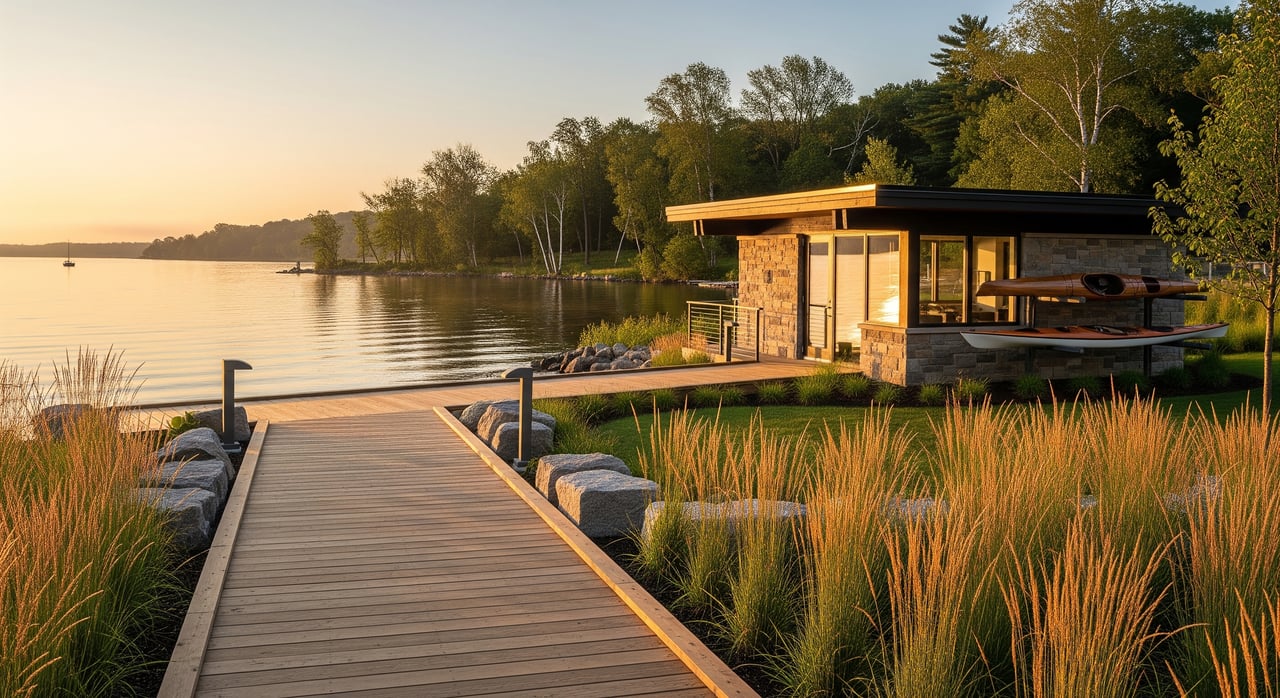
If you are moving to the south metro and love the outdoors, Lakeville belongs on your short list. The city’s parks, trails, and lakes shape daily life here, from morning jogs on paved paths to sunset paddles after work. Choosing the right neighborhood often comes down to how you want to play outside. This guide shows you how Lakeville’s outdoor network works, what to expect in each season, and how park and lake access can influence your home search. Let’s dive in.
How the outdoors shape life in Lakeville
Lakeville’s appeal starts with access. You can find neighborhood playgrounds, larger community parks with fields and shelters, and lakes that offer boating, paddling, and fishing. Paved multi-use trails connect many neighborhoods to parks, schools, and commercial areas, which makes quick rides or walks part of a normal day.
If you are comparing south-metro communities like Apple Valley, Burnsville, and Eagan, focus on three things: the size and mix of parks, how well trails connect, and what kind of lake access you prefer. That short list helps you match a location to your routine.
Park types you will find
Neighborhood parks
Neighborhood parks are small, close-to-home spaces with playgrounds, picnic areas, and open fields. These parks are easy to reach on foot or by bike, which is great for daily play and a quick mental break. If walkability is a must, look for listings within a comfortable stroll of a neighborhood park.
Community parks
Community parks are larger destinations with sports complexes, paved trails, restrooms, and reservable shelters. They host leagues, lessons, and festivals during warm months. If you enjoy organized activities or need a reliable spot for gatherings, being near a community park is convenient.
Natural areas and conservation land
Natural areas protect wetlands, prairie, and woodlands. They are places for hiking, birding, and quiet time outside. If you prefer peaceful trails and wildlife viewing over sports fields, map out the city’s nature preserves during your home search.
Regional parks nearby
Regional parks in and near Lakeville add long trail loops, winter grooming, and bigger natural spaces within a short drive. If you like long rides, cross-country skiing, or large lakes and prairies, it is worth exploring regional park options as part of your weekend routine.
Lakes and public access basics
Types of lake access
Lakeville includes multiple recreational lakes with a mix of access types:
- Public boat launches for trailered boats and motorized watercraft.
- Carry-in access for kayaks, canoes, and paddleboards.
- Public beaches or designated swim areas for family time and lap swimming.
- Fishing piers or designated fishing access with shore-friendly setups for anglers.
Each lake can vary, so confirm access type and parking before you go. If you plan to fish or boat, Minnesota statewide license rules apply.
Private shoreline and what to verify
Some lakeshores are private or have limited public access. If a lakeside home interests you, ask early about the property’s exact access rights and any neighborhood or HOA rules that apply. Shoreline improvements like docks or retaining walls usually require permits, and setbacks or vegetation buffers may limit what you can build.
Trail connections that make life easier
Lakeville’s paved multi-use trails link many neighborhoods to parks, schools, and commercial areas, which supports daily walking and biking. You will also find natural surface paths for hiking and, in some places, singletrack for off-road riding. Regional trail connections extend your range into broader Dakota County systems.
For bike-forward buyers, two questions help you decide if a location fits your lifestyle:
- Can you reach a paved trail from home without a busy road crossing?
- Can you follow that corridor to your frequent destinations, like schools, sports fields, or a town center?
City and county maps will show you current and planned connections. If trail commuting matters to you, bring a bike on your neighborhood tour to test real routes and times.
Seasonal guide to Lakeville parks and lakes
Spring: ice-out to late spring
Expect wet trails during thaw. Wear good footwear, follow posted etiquette, and avoid muddy sections to protect surfaces. As ice leaves the lakes, early-season boating and fishing return. This is also a smart time to walk any lakeshore property to check for erosion or winter damage.
Summer: peak season for everything
Summer brings swimming, paddling, boating, shoreline fishing, youth programs, and concerts in the parks. Weekends get busy at popular beaches and launches. If easy access is a priority, being within walking or biking distance can save you the hunt for parking. Keep an eye on water quality advisories during hot stretches. If a beach or lake has an advisory, choose alternate parks for the day.
Fall: colors and quieter trails
Fall is ideal for crisp hikes and long rides with lighter crowds. If you are shopping for a lakeside home, fall visits reveal shoreline vegetation and water levels without summer activity. Nearby public lands may have seasonal hunting, so look for posted notices and stay on marked trails.
Winter: ice and groomed trails
When ice is safe, residents enjoy ice fishing, pond skating, and winter walks. Many regional systems groom cross-country ski trails, and the city may plow key paths for winter access. Facilities like restrooms and boat launches can close for the season, so plan ahead and check grooming and access updates before you go.
Rules and permits you should know
DNR licenses and public access
Fishing and boating on Minnesota lakes require proper licenses and compliance with seasonal rules. Public water access points, fishing piers, and launch types are listed by the Minnesota Department of Natural Resources. Confirm access details for each lake before your outing.
Shoreland zoning and permits
Shoreland development is regulated to protect water quality. Setbacks, vegetation buffers, and grading rules often apply to docks, walls, and other structures. If you are considering lakeside improvements, contact the city’s planning and engineering teams to understand local ordinances and permit steps before you design.
Aquatic invasive species and water quality
Preventing aquatic invasive species is a statewide priority. Clean, drain, and dry boats and gear after each use, and follow any posted inspection guidance. During warm months, shallow or nutrient-rich lakes can experience blue-green algae blooms. Local agencies post advisories when needed. Do not swim in water that looks pea-soup green or has surface scum.
Floodplain, wetlands, and septic checks
Low-lying lots near lakes or wetlands can fall inside floodplain zones, which affects buildability and insurance costs. Some outlying parcels may rely on septic systems. Before you write an offer, review property maps for floodplain or wetland overlays and verify utilities.
How access impacts your home search and value
Match your lifestyle to location
- Families often prioritize walkable playgrounds, picnic shelters, and fields.
- Active adults look for continuous paved trails and safe cycling routes.
- Paddlers and boaters focus on public launches, storage options, and parking.
- Anglers watch for shore access and piers, plus seasonal stocking reports.
Know the tradeoffs
Living near a busy park or public launch is convenient, but you can expect higher traffic and noise on summer weekends. Private shoreline is quieter and more exclusive, but access and modification rules may be tighter, and maintenance costs can be higher. Decide which tradeoff fits your routine.
Value, costs, and resale
Homes with waterfront or park adjacency often carry a market premium. Value depends on lake size, water quality, shoreline condition, and overall property condition. Maintenance, erosion control, and potential flood insurance can offset some of that premium, so include those costs in your long-term plan.
Buyer due diligence checklist
- Confirm the property’s lake access type and any HOA rules.
- Review city and county shoreland and zoning requirements before planning projects.
- Check authoritative lake reports and any recent water quality advisories.
- Verify floodplain or wetland overlays and ask about drainage or shoreline stabilization history.
- Ask about winter access, ice and snow removal responsibilities, and whether nearby park events affect traffic or parking.
Make the most of your first visit
- Tour on a weekday and a weekend to understand traffic and parking.
- Bring a bike and ride from the property to parks, schools, and shops.
- Stop at the nearest launch or beach to check access, signage, and crowd patterns.
- Walk the shoreline after wind or rain to see how the property handles waves and runoff.
- Sign up for city and county alerts so you get notices on closures, grooming, and advisories.
Ready to explore Lakeville like a local?
If Lakeville’s parks, trails, and lakes fit your lifestyle, the right location will make your day-to-day feel easy and fun. Whether you want walkable playgrounds, a quiet nature corridor, or quick access to a boat launch, a guided search can save you time and second guessing. For neighborhood-level advice and a focused plan that matches how you live, connect with Eric Frank.
FAQs
Which Lakeville parks work well for young families?
- Look for neighborhood parks with updated playgrounds, restrooms nearby, open fields, and shaded picnic spaces, and consider walkable access from your home.
What lakes in Lakeville have public launches or beaches?
- Lake access varies by lake, but you can find public boat ramps, carry-in access, beaches, and fishing piers; confirm specific access types through official city and state resources before you go.
Are there paved trails for bike commuting between towns?
- Yes, Lakeville’s paved trails connect to broader county systems; review current city and county maps, then test the route by bike during your usual travel time.
How do shoreland rules affect building or remodel plans?
- Shoreland ordinances set setbacks, vegetation buffers, and grading rules, so docks, walls, and shoreline changes often need permits; contact the city before you design.
What seasonal lake concerns should new residents know?
- Watch for blue-green algae advisories in hot weather, follow ice safety in winter, and make sure your fishing and boating licenses meet current Minnesota rules.
Do Lakeville lakeside homes need special insurance?
- It depends on floodplain status and shoreline conditions; check parcel maps for overlays and discuss flood, wind, and ice coverage with your insurance advisor.
