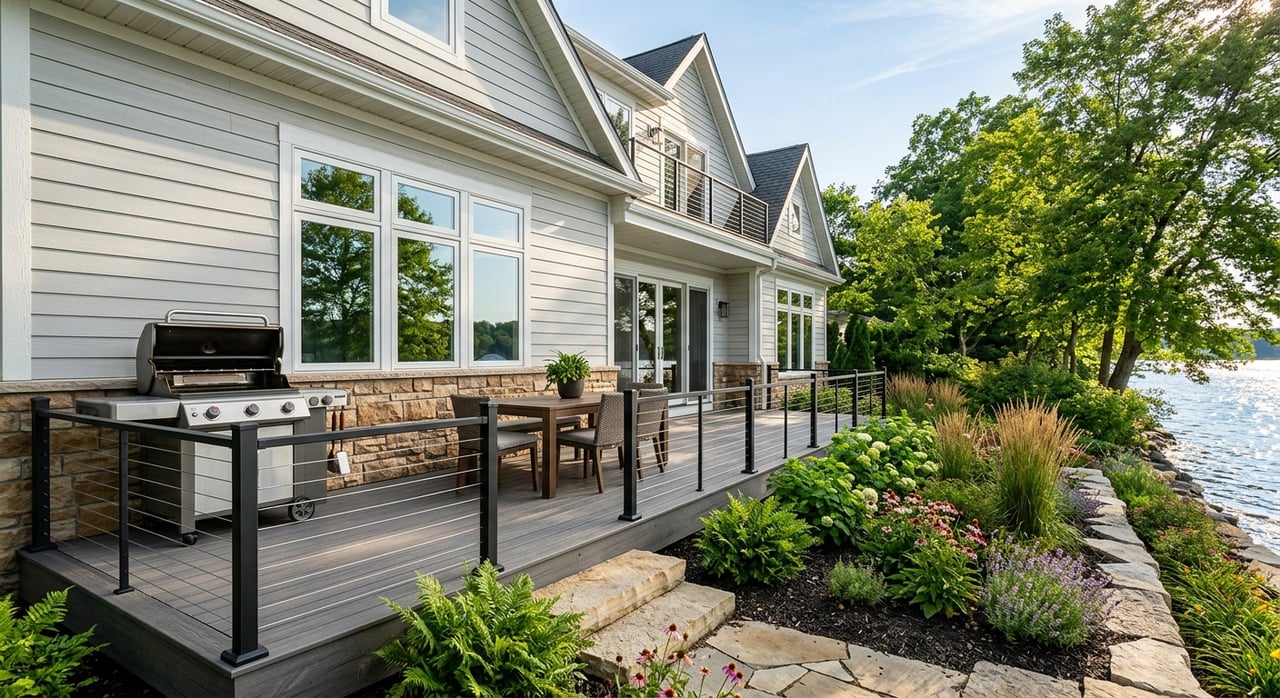
If you picture lake life as a nonstop vacation, Prior Lake may surprise you in the best way. Living near the water here is often less about a single dock in your backyard and more about how lakes, parks, trails, beaches, and public access shape your everyday routine. If you are thinking about buying near the water in Prior Lake, it helps to understand both the fun and the responsibilities so you can choose a home that truly fits your lifestyle. Let’s dive in.
Prior Lake offers more than shoreline
Prior Lake is a water-centered community with 15 lakes, including Prior Lake at more than 1,340 acres and Spring Lake at about 590 acres. The city also has 49 parks, about 1,000 acres of parkland, and 80 miles of sidewalks and trails, which means the water is woven into daily life in more ways than many buyers first expect.
That matters if you are comparing a true lakefront home with a property that offers nearby access. In Prior Lake, public parks, beaches, docks, trails, and launches can make living near the water feel active and connected even if you do not own shoreline.
Daily life near the water
One of the biggest lifestyle benefits in Prior Lake is how easy it can be to build the lake into your normal routine. You might start your morning with a walk near the water, spend an afternoon at the beach, or head out for fishing, paddling, or boating on a summer weekend.
The appeal is not limited to one season or one type of property. Some residents want direct frontage and private outdoor space, while others prefer a lower-maintenance home with convenient access to the same parks and public amenities.
Public beaches shape summer routines
Prior Lake has two public swimming beaches on Prior Lake: Sand Point Beach and Watzl's Beach. They are typically open from Memorial Day through Labor Day, depending on weather, and both have designated swim areas.
Sand Point Beach is one of the city’s key summer gathering spots. It includes picnic shelters, play equipment, three sand volleyball courts, a fishing pier, restrooms, day-use boat slips, and canoe racks, and it sits next to the most-used Minnesota DNR boat access on Prior Lake.
Watzl's Beach, located in Lakefront Park, offers a different feel. It is reached by about a quarter-mile walk from the parking areas and includes seasonal boat slips and canoe or kayak storage racks, which supports a more shared-access waterfront experience.
If beach access is important to you, it is worth knowing that the city has rules in place for these spaces. Swimming outside the roped area, watercraft in the swim area, glass containers, pets, smoking, and alcoholic beverages on the beach are prohibited.
Paddling, boating, and fishing are part of the mix
If you enjoy being on the water, Prior Lake supports several ways to do it. The city identifies Sand Point Beach and Dewitt Avenue as the two public lake accesses, both operated by the Minnesota DNR, and these generally support both trailer and carry-in use.
For paddlers, seasonal canoe and kayak storage racks at Sand Point Beach and Watzl's Beach can make lake use more practical. That can be especially appealing if you want a water-focused lifestyle without committing to full-time boat storage at home.
Anglers also have options beyond private shoreline. The city maintains six public fishing docks at Sand Point Beach, Grainwood Crossing, Raymond Park, Jeffers Fish Pond, Little Prior Lake, and Crystal Lake, with the goal of serving anglers of all ages and abilities.
Water living changes by season
One of the most important things to understand about living near the water in Prior Lake is that the lifestyle shifts through the year. What feels perfect in July should also make sense to you in January, and vice versa.
Warm-weather months naturally bring more beach days, boating, paddling, and shoreline activity. But winter still keeps the lake area active, especially around Lakefront Park, which includes hockey rinks and ice-skating rinks.
Summer brings activity and shared use
In the warmer months, lake areas tend to be busier and more social. Access points, beaches, trails, and dock areas can become a regular part of your schedule, especially if you choose a home because of its connection to recreation rather than private frontage alone.
That also means shared spaces come with rules and logistics. For example, the city notes that vehicles with trailers cannot park in the city lot at Sand Point Beach and must use the nearby DNR lot or other designated parking.
Winter requires a different mindset
When lakes freeze, the setting still adds value, but the way you use it changes. Ice-related recreation remains part of local life, though safety becomes a major consideration.
The Minnesota DNR states there is no such thing as 100 percent safe ice. Its general guidance suggests about 4 inches of clear ice for foot travel and 5 to 7 inches for snowmobiles or small ATVs, and the city states that it cannot provide ice condition reports.
Lakefront ownership is not unlimited control
If you are shopping for a lakefront property, it is important to know that owning shoreline does not mean you can do anything you want at the water’s edge. In Minnesota, the water and lake bed below the ordinary high-water level are public property.
That can affect how you think about privacy, shoreline use, and long-term maintenance. It also matters for buyers who assume ownership automatically includes broad control over aquatic plants, dock design, or shoreline changes.
Docks and shoreline work may have limits
Many shoreline docks do not need a permit if they meet specific conditions, but local government guidelines still apply. Larger dock platforms may fall under a general permit, so buyers should look closely at any existing setup and understand what may be required for changes.
The city also warns that work near lakes, such as adding sand, riprap, or grading near the water, may be subject to DNR rules. In other words, a lakefront lot can offer great enjoyment, but it may also come with extra planning and oversight when you want to improve or alter the shoreline.
Shared-access properties have their own rules
Not every water-oriented property in Prior Lake includes private shoreline. Some access is association-based, and private water access in Minnesota may be tied to marinas, homeowners associations, clubs, resorts, or camps.
The city’s seasonal slip policy is a helpful example of how shared access often works. It limits households to one slip per season, requires insurance, restricts use to the listed watercraft, and prohibits activities such as fueling, repairs, storage, or adding structures over the dock.
Stewardship is part of the lifestyle
Living near the water in Prior Lake is not only about recreation. It also means paying attention to how your property and daily habits affect lake health.
The city says lake quality is affected by runoff, fertilizers, erosion, chlorides, petroleum, and other chemicals. For homeowners, that turns stewardship into a practical part of lake living rather than an abstract idea.
Small habits can affect water quality
The city recommends steps such as controlling erosion, leaving a natural vegetation buffer, using fertilizer sparingly, and keeping dirt, grass clippings, and pet waste out of the storm system. These are simple habits, but together they can help protect the lakes people enjoy.
If you are deciding between a heavily managed property and a more natural shoreline setting, this is an important part of the conversation. A natural edge may require a different visual expectation, but it can also support long-term lake health.
Invasive species and nuisance issues are real
Prior Lake also deals with real lake-management concerns. The city says zebra mussels have been found in Prior Lake, common carp are present in several local lakes, and Eurasian watermilfoil and curly-leaf pondweed are found in parts of the system.
The city also asks residents not to feed geese and ducks. Waterfowl can create nuisance issues around beaches and docks and may increase the chance of beach closures tied to water pollution.
Beach testing affects planning
If public beach use is part of your lifestyle plan, it helps to understand how the city monitors conditions. Prior Lake tests both public beaches for E. coli from Memorial Day through Labor Day and may close a beach if state thresholds are exceeded.
The city also notes that swimmer's itch is common in Prior Lake. It is also important to know that testing is limited to the public beaches rather than the entire lake, so beach status gives you useful information about those designated swimming areas, not every shoreline or bay.
How to choose the right water lifestyle
For many buyers, the right fit comes down to how you actually want to use the water. Some people want the convenience of stepping into the backyard and heading to a dock, while others would rather avoid the extra maintenance and rely on public amenities and shared access.
A smart home search starts with honest questions about your routine, budget, and comfort level with upkeep. The more specific you are, the easier it becomes to narrow the options.
Questions to ask yourself
- Do you want private shoreline, or would nearby beach and launch access meet your needs?
- How often do you expect to boat, paddle, fish, or swim?
- Are you comfortable with shoreline maintenance and stewardship responsibilities?
- Would a shared-access setup fit your lifestyle better than full lakefront ownership?
- How important is winter use of the lake area to your decision?
- Do you want a property that feels active and social in summer, or more quiet and low-maintenance?
What this means for buyers in Prior Lake
The biggest takeaway is simple: living near the water in Prior Lake can be incredibly rewarding, but the best choice is not always the home with the most shoreline. In many cases, the strongest lifestyle fit comes from matching your home to how you plan to use the lakes in every season.
That could mean true lakefront ownership, a home with association access, or a property near parks, trails, beaches, and launches. When you understand the tradeoffs clearly, you can buy with more confidence and fewer surprises.
If you are exploring homes in Prior Lake or the south metro and want practical guidance on how location, access, and property setup can affect your day-to-day life, Eric Frank can help you compare options and find the right fit.
FAQs
What is lake living like in Prior Lake, Minnesota?
- Living near the water in Prior Lake often means access to lakes, beaches, parks, trails, docks, and launches, not just private shoreline, with recreation opportunities that change by season.
Are there public beaches in Prior Lake?
- Yes. The city operates Sand Point Beach and Watzl's Beach on Prior Lake, typically from Memorial Day through Labor Day, depending on weather.
Can you boat on Prior Lake and Spring Lake?
- Yes. Prior Lake and Spring Lake allow boating, but they also have local rules, including a permanent 150-foot slow-no-wake zone around the shoreline, a 40-mph daytime summer limit on weekends and holidays, and a 20-mph nighttime limit year-round.
What should buyers know about owning lakefront property in Prior Lake?
- Buyers should know that shoreline ownership does not mean unlimited control, since the water and lake bed below the ordinary high-water level are public property and some dock or shoreline work may be regulated.
Does Prior Lake test beach water quality?
- Yes. The city monitors both public beaches for E. coli from Memorial Day through Labor Day and may close a beach if state thresholds are exceeded.
Is winter recreation part of the Prior Lake lifestyle?
- Yes. Lakefront Park includes hockey and ice-skating rinks, and frozen-lake recreation is part of local life, though the city does not provide ice condition reports and the DNR advises that no ice is completely safe.
