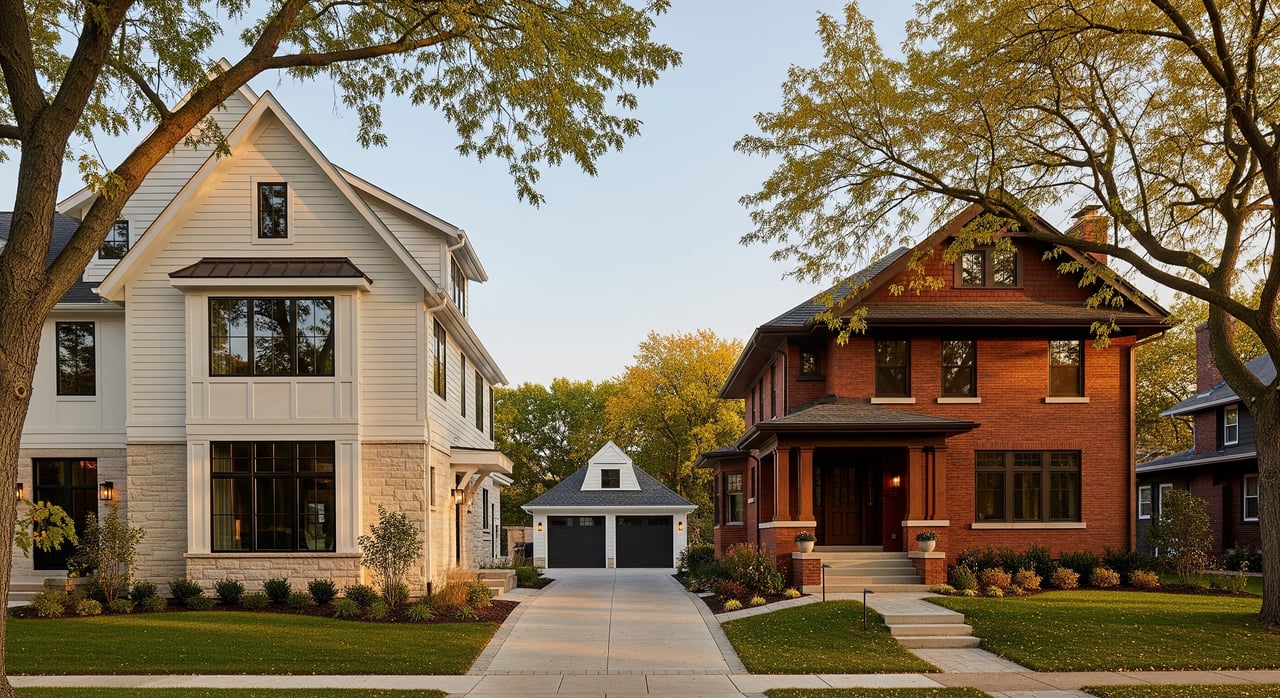
Thinking about buying in Farmington and torn between a brand‑new build and a resale home? You are not alone. Both paths can work well, but the right choice depends on your timeline, budget, and how much control you want over finishes and features. In this guide, you will learn the key trade‑offs, local timing realities, and a simple checklist to help you move forward with clarity. Let’s dive in.
What drives your timeline in Farmington
Minnesota’s seasons matter. New builds that run through late fall or winter often push exterior items like landscaping and final driveway work into spring. If you are considering a build, ask for a written milestone schedule and expect some flexibility if your project spans colder months.
Spec or quick‑delivery homes can close in a few weeks to a few months, depending on stage. Build‑to‑order timelines typically run about 4 to 9 months from permit to close. Custom homes can take 9 to 18 months or longer. Resale homes usually move faster, often closing in 30 to 60 days once inspections, appraisal, and financing are complete.
Before you commit, touch base with the City of Farmington’s Building Division for current permit and inspection timing. Local inspections and scheduling can affect your closing target.
Cost breakdown: new vs. resale
New construction pricing starts with a base price that often excludes certain items. You may see separate charges for lot premiums, landscaping, window coverings, upgraded appliances, and finish upgrades like countertops or flooring. Structural choices, such as a finished basement or an extra bath, can add considerably.
Builders sometimes use allowances for selections. If you exceed an allowance, you pay the difference, so it helps to get itemized pricing and the builder’s change‑order policy in writing. Also ask about site costs. Grading, drainage adjustments, sod versus seed, utility fees, HOA initiation fees, and permit or impact fees may be part of the total.
Resale homes often include completed landscaping, a finished driveway, and window treatments. You may face deferred maintenance or updates, like a roof replacement or a kitchen refresh. Budget for inspection‑identified repairs and any planned renovations when comparing total cost.
Warranties, inspections, and quality control
Most builders offer layered warranties that are commonly described in the industry as 1 year for workmanship, 2 years for major mechanical systems, and 10 years for structural coverage. Exact coverage varies, so request the full written warranty, confirm when it begins, and understand the claims process and transferability if you sell.
Municipal inspections check for code compliance at set stages, but they are not the same as an independent inspection. For a new build, schedule your own pre‑drywall inspection and a thorough final walkthrough with a written punch list and deadlines for completion. Ask if the builder uses third‑party quality checks or provides an energy rating.
Resale buyers should order a full home inspection and any specialty inspections that fit the property, such as radon, sewer scope, or well and septic if applicable. The inspection report helps you negotiate repairs or credits and plan for maintenance.
Financing differences to plan for
For production builds that are already near completion or spec homes, a standard mortgage may work once a certificate of occupancy is issued. Ground‑up custom or build‑to‑order projects can require a construction or construction‑to‑permanent loan. Pay close attention to rate‑lock timelines, deposits, and your exposure to rate changes during construction.
Some builders offer incentives like rate buydowns, upgrades, or closing‑cost help. Compare offers from a few lenders and read the terms closely. On resale homes, conventional, FHA, VA, or USDA loans are common, with timing driven by underwriting and appraisal.
Energy efficiency and long‑term value
New homes must meet current Minnesota energy code requirements and local building codes. You typically benefit from better insulation, modern HVAC, and efficient windows, which may reduce operating costs. Ask builders for energy and insulation specs and any third‑party ratings.
Resale homes vary widely. If efficiency matters to you, review utility history when available and factor in potential upgrades. Over time, both new and resale homes can hold value well, but appraisals for new builds may be tricky if there are few nearby comparable sales. Discuss appraisal strategy and contingencies with your agent, especially in developing subdivisions.
Neighborhood trade‑offs in Farmington
Established neighborhoods often offer mature trees, finished yards, and proximity to long‑standing community amenities. Drainage patterns and infrastructure are well understood, and you can move in quickly. Floor plans may be more traditional, and some homes may need updates or maintenance.
New subdivisions provide modern layouts, energy‑efficient systems, and builder warranties. You can sometimes personalize finishes and choose options that fit your lifestyle. Early in development, you may live near active construction and have fewer mature trees. HOAs and covenants may guide exterior changes, maintenance, and design.
For schools and services, verify current attendance boundaries with Farmington Area Public Schools and review how neighborhood growth may affect capacity over time. If you commute to Twin Cities employment centers, check travel routes, highway access, and any park‑and‑ride options that fit your schedule.
Smart buyer checklist
Use this quick list as you compare options in Farmington:
- Timeline
- Ask for a builder milestone schedule and identify seasonal risk points.
- For resale, confirm inspection, appraisal, and lender timelines.
- Scope and cost
- Request an itemized list of upgrades, allowances, and builder markups.
- Verify what the lot premium includes and any site work responsibilities.
- For resale, price out repairs and updates from the inspection.
- Warranty and quality
- Get the full written builder warranty and claims process.
- Schedule independent inspections for both new and resale.
- Confirm a punch list procedure and deadlines on new builds.
- Documents
- Review HOA rules, fees, and any planned assessments.
- Confirm municipal inspection stages and certificate of occupancy.
- Keep records of change orders and selections.
- Financing
- Compare lender offers, rate‑lock options, and incentives.
- Understand deposit schedules and refund policies.
Questions to ask a builder
- Which subcontractors handle foundation, HVAC, and roofing, and how is quality verified?
- What is the timeline for punch‑list completion after closing, and who manages it?
- How are change orders priced, and how do you notify buyers of cost increases?
- Do you provide pre‑drywall and final walkthroughs with written documentation?
- Are nearby model homes available to see actual finishes and workmanship?
Questions to ask a resale seller
- How long have you lived in the home, and what recent repairs or upgrades were completed?
- Have you experienced drainage or water intrusion issues, and how were they addressed?
- Is there a pre‑listing inspection report, maintenance log, or warranties on major systems?
How to decide what fits you
Choose new construction if you want modern layouts, energy efficiency, and the chance to personalize finishes, and you are comfortable with a longer timeline and construction variables. Confirm costs up front so upgrades do not surprise you later. Your independent inspections and a clear punch list will protect your investment.
Pick a resale home if speed matters or you value established neighborhoods and landscaping. Use your inspection period to understand maintenance needs and budget for updates that fit your style. In both cases, comparing total cost of ownership, from utilities to future projects, will help you make a confident choice.
If you want a local guide who understands Farmington and the south‑metro market, reach out to Eric Frank. You will get straightforward advice, neighborhood‑level insight, and a plan tailored to your timeline and budget.
FAQs
How long does a new home usually take in Farmington?
- Spec homes can close in weeks to a few months, while build‑to‑order homes often take 4 to 9 months and custom builds can run 9 to 18 months or more, with seasonal weather affecting schedules.
What is typically included in a new home’s base price?
- The base price may exclude lot premiums, landscaping, higher‑end appliances, window coverings, and many finish upgrades, so request an itemized options list and allowance details.
Do I still need an inspection on new construction?
- Yes, schedule independent inspections at least twice, pre‑drywall and before closing, and use a detailed punch list to confirm completion and quality.
Are new Farmington homes more energy efficient than older homes?
- Generally yes, because they must meet current Minnesota energy code, but you should ask for specific insulation values, HVAC details, and any third‑party energy ratings.
How do HOAs work in new subdivisions?
- Review the HOA’s covenants, rules, fees, and any developer control period to understand design guidelines, maintenance responsibilities, and budget or assessment policies.
How do appraisals differ for new builds vs. resale?
- New builds may face appraisal challenges if there are few comparable sales, while resales use established comps; discuss appraisal contingency strategies with your agent.
