Wondering how to sell your starter home in Apple Valley without leaving money on the table? If you are moving up, downsizing, or making a life change, you want a sale that feels smooth, timely, and financially smart. The good news is that Apple Valley still shows signs of a seller-leaning market, but that does not mean every listing gets top dollar automatically. With the right pricing, preparation, and marketing, you can stand out where it matters most. Let’s dive in.
Apple Valley Starter Homes Have Real Demand
Apple Valley is a large, established suburb with 55,248 residents and 21,627 households. The city also has a 73.4% owner-occupied housing rate, a median owner-occupied home value of $370,400, and a median household income of $97,673. For you as a seller, that points to a market with a strong base of owner-occupant buyers.
Local housing data also suggests well-prepared homes can move quickly. Redfin reports a median sale price of $379,948 and a median of 20 days on market, while Realtor.com reports a median sold price of $380,350, 197 active listings, and 22 days on market. The exact figures vary by source, but the bigger takeaway is clear: homes that are priced well and show well still attract attention in Apple Valley.
Pricing Matters More Than Hopes
One of the biggest mistakes starter-home sellers make is aiming too high on the first list price. Even in a market where homes can sell at a median of 100% of final list price, 32% of sellers still had to reduce their asking price at least once. That is a reminder that buyers are paying attention to value.
For a starter home, your best pricing strategy usually comes from comparing your home to the lower and middle end of the local market, not the citywide median alone. A clean, move-in-ready home may command strong interest, but stretching for a premium number can slow momentum. In a market where many buyers are watching monthly payment closely, an accurate first price can be one of your strongest advantages.
Today’s Buyers Are Payment-Conscious
If you are selling a starter home, your likely buyer is often not a cash buyer. Recent data shows first-time buyers made up 24% of purchases, with a median age of 38 and median household income of $97,000. Among first-time buyers who financed, 52% used conventional loans, 29% used FHA loans, and 9% used VA loans.
That matters because affordability is not just about the sale price. Many buyers are working within down payment limits and monthly payment comfort zones. First-time buyers had a median down payment of 9%, and Minnesota Housing’s Start Up program can offer eligible buyers down payment and closing-cost loans totaling up to $18,000, with metro-area purchase-price limits up to $515,200.
For you, this means a starter home often sells best when it feels financially reachable. A price point that lines up with financed buyers, plus a home condition that supports common loan types, can widen your buyer pool.
Your Online Listing Is the First Showing
Most buyers start online, and that matters even more in Apple Valley. Census data shows 97.8% computer ownership and 94.8% broadband subscription locally, which supports a highly digital search process. In other words, buyers are very likely to meet your home on a screen before they ever walk through the front door.
National buyer data backs that up. Buyers found the home they purchased through the internet 52% of the time, and the most useful online features were photos, detailed property information, floor plans, agent contact information, and virtual tours. If your listing looks incomplete or underwhelming online, many buyers may never schedule a showing.
Presentation Tips That Help Starter Homes Sell
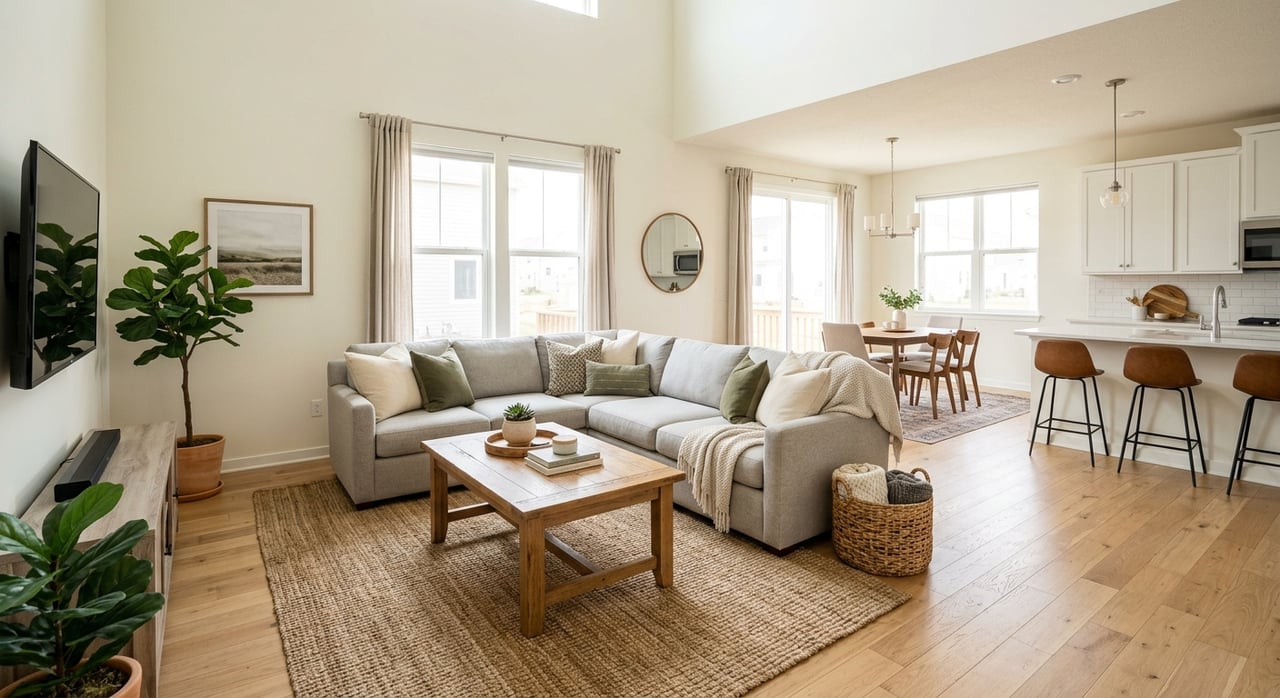
Starter-home buyers often compare several homes quickly, so presentation matters. According to recent staging research, the most common seller prep recommendations are decluttering, deep cleaning, and improving curb appeal. Those simple steps can make a meaningful difference in both photos and in-person impressions.
Staging can also help reduce market time. In the same research, 49% of agents said staging reduced time on market, and 29% saw a 1% to 10% increase in value from staging. That does not mean you need a full redesign. It means your home should feel clean, bright, open, and easy for buyers to understand.
Focus on These Prep Priorities
- Declutter every room
- Clean the entire home thoroughly
- Improve curb appeal at the front entry
- Make the living room feel open and welcoming
- Refresh the primary bedroom and kitchen presentation
- Replace or update dated lighting where practical
- Consider fresh interior paint if walls look worn or highly personalized
Buyers also rate updated kitchens, remodeled bathrooms, contemporary lighting, and fresh interior paint as top priorities. For a starter home, modest cosmetic updates often make more sense than major renovations. They help the home feel cared for without over-improving for the price range.
Clear Listing Details Reduce Buyer Friction
Many starter-home shoppers are buying their first home, and first-time buyers often say the process feels complicated. They also report that finding the right property is one of the hardest parts of buying. That creates an opportunity for your listing to stand out through clarity.
A strong listing should answer common buyer questions before they ask them. That includes accurate room details, useful property information, and visuals that help buyers understand the layout and condition. When buyers feel informed, they are more likely to book a showing and move forward with confidence.
Listing Assets That Matter Most
- Professional-quality photos
- Detailed property description
- Floor plan, if available
- Clear room-by-room information
- Virtual tour or video, if available
- Easy-to-find agent contact information
For a starter home, these tools do more than make the listing look polished. They help buyers compare your home favorably against other options in Apple Valley.
Disclosures Matter in Minnesota
Selling well is not only about marketing and pricing. It also means handling disclosures carefully and clearly. In Minnesota, sellers of residential real property must provide a written disclosure of all known material facts that could adversely and significantly affect an ordinary buyer’s use and enjoyment of the property.
Minnesota also has a specific radon disclosure requirement. The Minnesota Department of Health says radon testing is not required for a sale, but it is strongly recommended, and sellers must disclose known radon concentrations and provide the state radon publication. For you, the practical takeaway is simple: be organized, be accurate, and address disclosure items early.
Timing Helps, But Preparation Matters More
Many sellers ask when they should list. National data from Realtor.com identified the week of April 12 through 18 as the strongest national window, with 16.7% more views and about nine days faster market time than the average week. That can be helpful if your timeline is flexible.
Still, in Apple Valley’s current seller-leaning market, pricing and condition are likely more important than trying to hit one exact week. If your home is ready and your pricing is aligned with the market, you may be better off listing when you can present the property at its best. A rushed launch with weak photos or unfinished prep can cost more than a slightly less ideal calendar date.
A Smart Selling Plan for Apple Valley
If you want to sell your starter home successfully, think about the process in three parts: price it right, prepare it well, and market it for how buyers actually shop. Apple Valley has strong digital connectivity, active buyers, and seller-leaning conditions, but buyers still compare value carefully. That is especially true in the starter-home segment, where affordability drives many decisions.
A thoughtful strategy can help you attract serious buyers quickly and reduce the odds of price cuts later. With local market insight, strong presentation, and clear communication, you can move from listed to sold with fewer surprises and better results.
If you are getting ready to sell in Apple Valley and want practical guidance on pricing, presentation, and next steps, Eric Frank is here to help.
FAQs
How fast do homes sell in Apple Valley?
- Current market data shows a median of about 20 to 22 days on market, depending on the source, though pricing and condition still play a major role.
What buyers are most likely to purchase a starter home in Apple Valley?
- Starter homes often appeal to first-time buyers and other payment-conscious buyers who may use conventional, FHA, or VA financing.
What updates matter most when selling a starter home in Apple Valley?
- Decluttering, deep cleaning, curb appeal, fresh paint, updated lighting, and strong kitchen and bathroom presentation tend to matter most.
Do Minnesota sellers need to disclose radon when selling a home?
- Yes. Minnesota sellers must disclose known radon concentrations and provide the required state radon publication.
Is spring the best time to sell a starter home in Apple Valley?
- Spring can bring strong buyer activity, but in Apple Valley, accurate pricing and polished presentation are likely more important than hitting one exact listing week.
