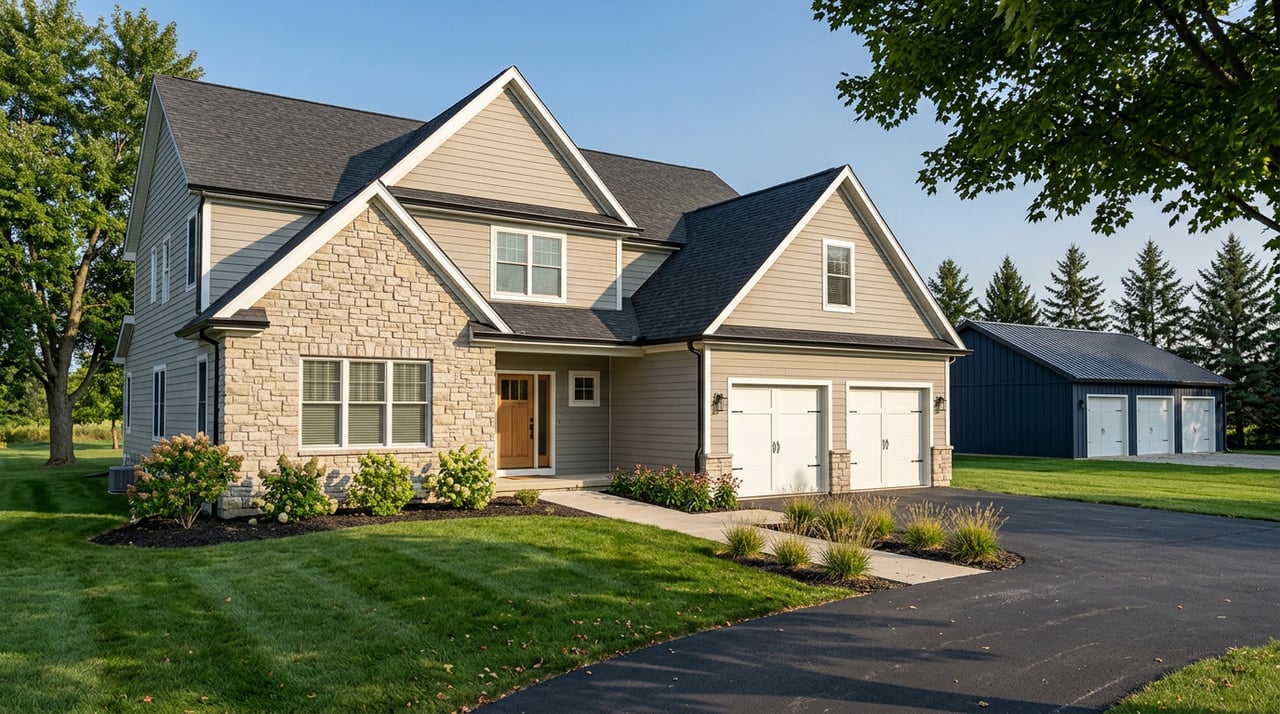
Dreaming of more land, a big shop, or room for a hobby farm near Farmington? Acreage can deliver a quieter setting and long-term flexibility, but it also comes with added homework. You will deal with wells, septic systems, access permits, and different rules than you see in a subdivision. This guide walks you through what to confirm, who to call, and how to write a confident offer on acreage in or around Farmington. Let’s dive in.
Acreage vs city lots
Jurisdiction basics
First, confirm who regulates the property. If it sits inside Farmington city limits, the City of Farmington handles building permits, zoning, and many approvals. The city also requires permits for most accessory buildings over 200 square feet and enforces setbacks and code standards, which you can review in the city’s accessory structures guidance.
If the parcel is outside city limits, rules typically come from Dakota County and the local township. For many unincorporated areas, Dakota County administers septic permitting and inspections under its SSTS ordinance. You can review county SSTS permitting and compliance steps on the Dakota County septic systems page.
Why it matters to your offer
The governing jurisdiction affects utilities, permits, inspections, and your timeline. In the city, you may have municipal water and sewer. Outside city services, expect private well and septic, plus county or township driveway approvals. These items drive contingencies, budget, and how long you need between offer and closing.
Utilities checklist
Water and wells
Many acreage homes outside city service areas rely on private wells. Ask for well disclosures, the well log, and recent water tests, then verify with the Minnesota Department of Health. The MDH well program explains disclosure and testing basics on its Wells and Borings page. At minimum, request current bacteria and nitrate test results before you remove contingencies.
Septic systems (SSTS)
Dakota County enforces septic system rules in many rural areas. A compliance inspection tells you if the system meets current standards or needs repair or replacement. Learn about permits, soils verification, licensed professionals, and as-built records on the county’s SSTS page. Budget for ongoing maintenance as well, and review homeowner care tips from the University of Minnesota’s Onsite Sewage Treatment Program maintenance guide.
Power and gas
Electric service for rural parcels around Farmington is often provided by Dakota Electric Association. If you plan a large shop or high-amp service, verify provider and capacity using the Dakota Electric service area map. Natural gas is common in some areas, but not all acreage parcels have a gas line. The City of Farmington maintains a utility vendor list for municipal areas, and some rural properties may require propane.
Internet and trash
Internet and cable availability varies by road and provider. Ask sellers for current providers and verify upload and download speeds if you work from home. Trash and recycling options depend on local haulers and jurisdiction.
Land and soils
Soils and buildability
Soil type drives septic suitability, foundation design, and drainage. Before you finalize your offer, consider a soils check and talk with the Dakota County Soil & Water Conservation District for local insight. The SWCD’s FAQs are a good starting point if you want to understand how soil and water resources affect rural building.
Wetlands and floodplain
Many acreage parcels include or border wetlands, shoreland, or mapped floodplain. These features can limit building sites, outbuilding locations, or lot splits. Review county resources on mapping and shoreland rules, and use the county’s pages for contacts and guidance found through the Dakota County septic and water resources section. If any structures are in a FEMA flood zone, lenders will require flood insurance.
Drain tile
Some properties include subsurface agricultural drain tile. Ask the seller about known tile lines, any maps, and who maintains them. Tile can impact drainage and building plans, so get clarity early.
Outbuildings and barns
Permits and setbacks
Outbuildings are a big draw for acreage buyers. Inside Farmington, most accessory structures over 200 square feet require a permit and must meet setback and code requirements. Review the city’s accessory structure handout, then verify whether existing buildings were permitted and closed out with final inspections. In unincorporated areas, confirm township and county rules before you expand or convert a structure.
Livestock and farm uses
If the acreage supports barns, livestock, or a commercial agricultural use, check for state and county rules that could apply, including feedlot registration for larger operations. Requirements vary by size and use, so include time in your offer to confirm.
Roads and driveways
Public vs private roads
Your maintenance responsibilities change depending on road ownership. Public city or county roads are maintained by the appropriate agency. Private roads usually require shared owner maintenance under a recorded agreement. Ask for the agreement and confirm who plows in winter.
Driveway permits and culverts
If your driveway connects to a county road, you may need an approach permit and a culvert sized to county standards. The Dakota County Transportation page explains access permits and how planned road projects could affect access or assessments. Confirm this early to avoid delay.
Financing and insurance
Loan options and appraisals
Some lenders treat large rural parcels differently than subdivision lots, which can affect appraisal and allowable uses of outbuildings. If you want low or no down payment, check USDA Rural Development programs for qualifying rural areas and income limits on the USDA single family housing page. USDA loans require safe drinking water and suitable sewage disposal, so well and septic condition can be a key contingency.
Insurance factors
If any buildings lie in a mapped flood zone, flood insurance is required for federally backed loans and is recommended for cash buyers. Outbuildings like large shops or barns may need separate riders or scheduled coverage. For a broader view of local hazards that can influence premiums, see Dakota County’s Hazard Mitigation Plan summary hosted by the MPCA’s GreenStep Cities program here.
Property taxes and assessments
Acreage is often assessed differently than subdivision lots, which can change tax amounts. Request the current tax bill, tax classification, and any special assessments from the seller or county. Ask your title company to flag outstanding improvement districts or deferred assessments.
Who to call
- City of Farmington Planning and Building for zoning, permits, and accessory structure rules. Review the city’s accessory structures handout, then call planning for parcel-specific zoning.
- Dakota County Environmental Resources for septic permitting, compliance inspections, and soils verification questions. Start with the county’s SSTS page.
- Minnesota Department of Health Well Management for well disclosures, licensed contractors, and water testing guidance. See MDH’s wells program.
- Dakota Electric Association for service availability and capacity in rural areas. Check the service area map.
Offer strategy
Smart contingencies
Include these in your purchase agreement when buying acreage:
- Full survey and easement review contingency.
- Satisfactory septic compliance inspection, plus review of as-built and recent pumping records, or an agreed repair escrow if needed. Use the county’s SSTS guidance as your benchmark.
- Satisfactory well test for bacteria and nitrate, and a review of the well log and disclosure using the MDH wells program.
- Utility and access verification, including electric capacity and any county driveway permits.
- Clear title with review of road maintenance or shared driveway agreements.
Sample timeline
Rural transactions often need more time than subdivision closings. A typical 30 to 45 day path can look like this:
- Days 1–3: Order well test, septic inspection, and survey. Confirm jurisdiction and zoning.
- Days 4–14: Receive septic report and well results. Review as-built records, permits, and utility information.
- Days 10–20: Resolve repairs or escrow for septic if noncompliant. Verify electric capacity and any gas or propane needs.
- Days 15–30: Title review for easements and road agreements. Driveway permit steps if required by the county.
- Days 25–45: Final appraisal and loan underwriting. Clear any remaining permit or insurance items.
Buyer checklist
Request these documents before removing contingencies:
- Current survey and legal description that shows recorded easements and rights-of-way.
- Septic as-built, current compliance inspection, and most recent pump-out records, guided by the county’s SSTS process.
- Well disclosure, well log, and recent water test results per MDH’s well requirements.
- Copies of building permits and inspection records for the house and all outbuildings, from the city or county.
- Title commitment, plus any recorded covenants or road maintenance agreements.
- Utility provider confirmations, including electric provider and service capacity from Dakota Electric.
Ask the seller and listing agent:
- Has the septic system ever failed, been replaced, or received variances, and when was it last pumped?
- Has the well ever run dry, needed chlorination, or had repairs, and are there recent test results?
- Are there known drain tiles, buried utilities, or irrigation agreements on or across the parcel?
- Is any part of the property in a mapped wetland or FEMA flood zone, and are there recent delineation or survey documents?
- Were outbuildings permitted and finaled, and was any electrical or structural work done without permits?
Buying acreage near Farmington can be smooth and rewarding when you confirm jurisdiction, verify well and septic, and plan your offer timeline around inspections and access. If you want a sounding board as you weigh options or you are ready to tour properties, connect with a local advisor who knows the south metro’s acreage landscape. To start a focused search or talk strategy, reach out to Eric Frank.
FAQs
What inspections do I need when buying acreage near Farmington?
- Plan for a septic compliance inspection, a well water test and well log review, a boundary survey, and permit records for outbuildings, plus title review for easements.
How do I confirm if a Farmington parcel has city sewer and water?
- Ask the seller and verify with the City of Farmington; if it is outside city services, expect private well and septic and follow Dakota County’s SSTS guidance.
Who provides electricity to rural properties around Farmington?
- Many rural parcels are served by Dakota Electric Association; confirm provider and capacity using the cooperative’s service area resources.
Will wetlands or floodplain limit where I can build on acreage?
- Yes, mapped wetlands, shoreland, or floodplain can restrict building areas and outbuildings, so review county resources and request any recent delineations or surveys from the seller.
Can I finance acreage with a low down payment?
- USDA Rural Development offers programs in eligible rural areas with requirements for safe drinking water and suitable sewage disposal, so well and septic condition can affect eligibility and timing.
